

17 min read · Updated: 2026-11-29
Fat-tire e-bikes suit riders who want extra grip and a cushioned feel on sand, loose gravel, snow or rough paths; regular-tire e-bikes are usually easier to pedal, steer and carry on paved routes. Neither is best for everyone. Choose by matching tire width and tread to your usual surfaces, then consider the added weight and range demands.
Wide tires hold more air and can run at lower pressures, helping soften bumps and spread the bike’s weight over loose ground. That can improve comfort and traction, but the larger contact area and heavier wheels may require more effort from the motor and battery.
Before buying, look beyond tire width: check the bike’s total weight, tire clearance, motor support, battery capacity and the surfaces you actually ride. A well-matched regular-tire model can be more practical for daily pavement, while a fat-tire bike earns its extra bulk where grip and cushioning matter.
- Fat tires add cushioning and can improve grip on soft or uneven ground, but they often bring more weight and rolling resistance.
- Regular tires usually suit smooth, paved routes when nimble handling and efficient rolling matter most.
- Match tire tread, motor support and battery capacity to your actual terrain and trip length.
- Check pressure, bike weight and the full component setup before choosing by tire width alone.
What Makes a Fat-Tire E-Bike Different
Wide Tires, Larger Contact
A fat-tire e-bike uses much wider tires than the narrower tires found on many commuter and recreational models. The extra air volume lets the tire deform around small bumps and spread its contact across loose surfaces. That can make sandy paths, soft dirt and broken pavement feel more manageable.
The broad profile is only one part of the difference; wheel weight, tread pattern and tire pressure also affect how the bike rides. A knobby tire can grip loose ground, while a smoother tread may roll more easily on pavement. Compare the complete tire setup rather than judging a bike by width alone.
When you compare overseas listings, check canlı döviz kurları to understand the advertised price in your own currency before weighing it against local options. Then confirm the listed tire dimensions and equipment, since similar-looking models can differ in wheel size, tread and included components. Those details help make a fair comparison beyond the headline price.
Weight and Rolling Resistance
Wide tires and their wheels often add weight, which you notice when lifting the bike onto a rack or maneuvering it at low speed. More rubber meeting the ground can also increase rolling resistance, particularly with deep tread on smooth pavement. The motor helps while riding, but it does not make a heavy bike easier to carry.
Regular tires are typically narrower and lighter, so they can feel livelier when accelerating or changing direction on firm roads. The exact difference depends on the bike’s frame, components and tire construction, so compare complete models rather than tire labels. If storage or carrying is part of your routine, check the bike’s stated weight before deciding.
Think about where the added mass will matter in your daily use. A rider who rolls from a garage onto gravel may barely notice it, while someone carrying a bike up stairs may find it decisive. Also check whether the bike has a walk-assist feature if you expect to push it on steep ramps or through crowded spaces.
- Check the complete bike weight, not just the tires.
- Consider stairs, racks and storage access.
- Match tread to the surfaces you ride most.
How Tire Width Changes Ride Feel
Cushioning and Tire Pressure
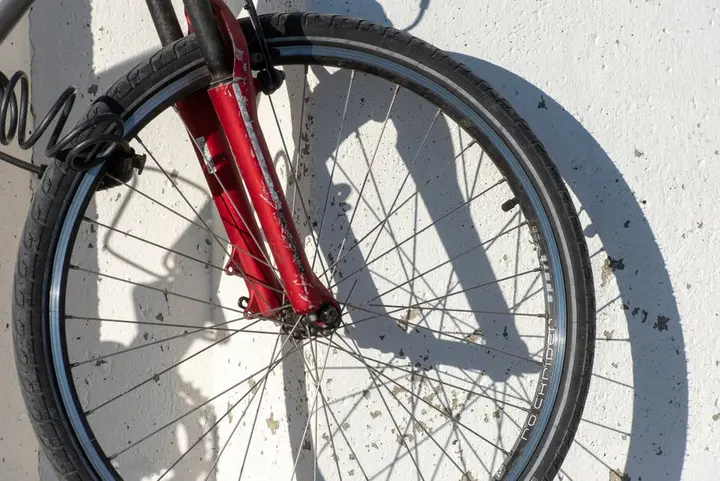
Fat tires can soften the feel of small bumps because their larger air volume allows a lower pressure than a narrow tire may use. That can reduce jolts on cracked pavement, packed dirt and uneven paths. It is not a substitute for suspension, and a tire that is too soft can feel sluggish or squirm in turns.
- Check the tire’s pressure guidance.
- Set pressure for your load and usual surface.
- Test the bike on a familiar route.
- Recheck pressure if steering feels soft or rolling feels slow.
Use the pressure range printed on the tire or recommended by the bike maker, then adjust carefully for your load and surface. Lower pressure can help the tire conform to loose ground, while firmer pressure usually rolls more efficiently on smooth pavement. Check pressure regularly because an underinflated tire can increase drag and risk damage to the rim.
A regular tire can still be comfortable when paired with a suitable frame, suspension fork or seat design. Its narrower shape generally provides less air cushioning, so the rider may feel sharp edges more clearly on rough routes. If your rides combine smooth roads with occasional gravel, compare the whole bike’s comfort features instead of treating tire width as the only factor.
Steering and Cornering
On firm pavement, a narrower tire often makes an e-bike feel quicker to lean and easier to guide through tight turns. A fat tire may feel more planted, but its broad contact and heavier wheel can make steering feel slower. These are tendencies, not guarantees; frame geometry and tire pressure influence the handling substantially.
On loose gravel or sand, a wider tire can offer a steadier contact patch and help reduce the chance of the wheel cutting deeply into the surface. Keep your movements smooth and avoid abrupt turns, especially when riding on mixed terrain. Grip still depends on tread, surface conditions and speed, so wide tires do not prevent every slide.
Try both styles at a safe pace before buying if you can, and pay attention to how the bike responds at walking speed as well as in a gentle corner. Riders who prefer nimble handling may favor regular tires for urban routes, while those seeking a stable feel on soft ground may appreciate a fat setup. Choose the control you need most.
- Notice how quickly the bike responds to steering.
- Test slow turns as well as steady cruising.
- Avoid sudden leans on loose or wet surfaces.
Where Fat Tires Perform Best
Loose and Uneven Routes
Fat tires are most useful where the ground is soft, loose or irregular, such as sandy tracks, snow-covered paths and rough gravel. Their broader footprint can spread the rider’s weight and improve traction when a narrow tire might sink or lose grip. For a foreign listing, use döviz kuru çevirme hesaplama to estimate the converted cost and account for any commission or spread shown by the service.
Tread matters as much as width when choosing a bike for these conditions. More pronounced knobs can bite into loose dirt, while a smoother center may roll better across firm sections. If your route changes from pavement to trail, look for a tire design that balances grip and rolling ease rather than one optimized for only one surface.
Fat tires do not make an e-bike a dedicated off-road machine by themselves. Check the frame, brakes, fork and manufacturer’s guidance for the conditions you plan to ride, and avoid treating snow or mud as automatically safe. Visibility and control can change quickly on slippery ground, so ride within your ability and leave room to brake.
| Route | Tire choice | Main consideration |
|---|---|---|
| Smooth city pavement | Regular tire | Efficient rolling and nimble steering |
| Loose gravel | Fat tire with suitable tread | Grip and controlled pressure |
| Sand or soft ground | Fat tire | Broader contact and flotation |
| Mixed pavement and paths | Moderate, versatile tread | Balance grip with rolling ease |
Pavement and Mixed Commuting
For a commute that stays mostly on smooth roads, regular tires are often the simpler choice because they tend to roll and steer efficiently. A fat-tire model can still work on pavement, especially if comfort or occasional rough paths matter, but its extra weight and tire drag may feel unnecessary on a consistently smooth route.
Mixed commutes call for a closer look at tread and tire pressure. A moderately patterned tire can handle a paved ride to a gravel path without feeling as slow as an aggressive off-road tread. Consider the route’s roughest regular stretch, not just the longest one, when deciding whether the added grip and cushioning justify the bulk.
A useful comparison is to test similar bikes over the same loop, including a rough patch, a gentle turn and a stretch of pavement. Notice effort, steering response and comfort rather than relying only on a short showroom spin. If you cannot test ride, ask the seller about tire specifications, replacement options and the bike’s intended surfaces.
- Choose regular tires for smooth, frequent pavement.
- Consider mixed tread for regular road-and-trail use.
- Prioritize wider tires when soft ground is routine.
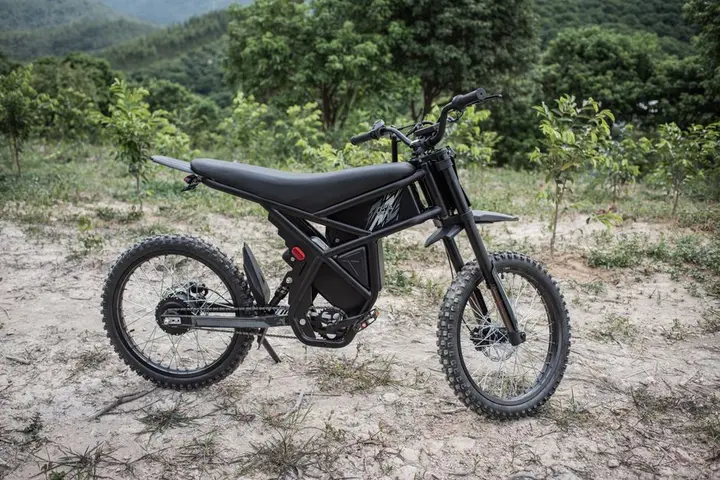
A fat-tire e-bike’s added rolling resistance and weight can make motor support more noticeable on hills, soft ground and stop-start routes.
Choose a Motor and Battery for Your Routes
Match Assistance to Terrain
A fat-tire e-bike’s added rolling resistance and weight can make motor support more noticeable on hills, soft ground and stop-start routes. Look at the motor’s stated assistance characteristics and the bike’s gearing, not just a peak power figure. A well-matched setup should help you maintain a comfortable cadence on the climbs you actually ride.
For mostly flat pavement, a lighter bike with regular tires may need less assistance to feel responsive. On steep or loose routes, prioritize steady support and usable low gears so you can keep control rather than relying on high speed. Check local rules for motor assistance limits before choosing a model, since permitted specifications vary by location.
Test how the assistance starts and responds if a test ride is available. Smooth support can be easier to manage on gravel than a sudden surge, particularly when traction is limited. Also check the control display and assist settings; straightforward adjustments help you conserve battery on easy stretches and use more support when the route becomes demanding.
Plan Battery Capacity Carefully
Battery range depends on more than tire style: rider and cargo weight, hills, temperature, assist level, tire pressure and stops all affect how far a charge lasts. Fat tires can demand more energy on firm surfaces, but no single range estimate applies to every rider. Treat the maker’s range guidance as a reference and allow a reserve for your route.
Compare battery capacity alongside the bike’s weight and intended use, then consider whether you can charge at your destinations. A larger battery may add weight, so it is not automatically the best choice for a short, flat commute. For longer rides or frequent climbs, extra capacity can provide useful flexibility if the bike remains manageable to handle.
Use the same route and assist level when comparing consumption between bikes, and keep tire pressure within the recommended range. Carrying unnecessary cargo and using the strongest assist setting throughout can reduce the distance available. If the battery is removable, check how easily it comes out and whether you have a practical, secure place to charge it.
- Compare capacity with your normal trip length.
- Allow a reserve for hills, cargo and detours.
- Check charging access and battery removal.
Compare the Total Cost Beyond the Sticker Price
Budget for Wear and Repairs
Compare the likely upkeep of each bike, not only the price on its tag. Fat tires can cost more to replace, and their wider format may be less readily available in some places. Check local shops and online stock for the exact tire size before treating a low purchase price as a bargain.
Replacement costs also depend on how and where you ride. Rough tracks, sharp debris, and frequent braking can wear tires and brake pads faster, while smooth paths are generally less demanding. Ask the seller what replacement parts fit the bike and whether ordinary bike shops can source them.
Include routine items in your comparison, such as brake pads, tubes or sealant, and battery replacement when needed. A bike with widely available components may be easier to maintain than one with unusual parts. Check whether the quoted price includes a charger, lights, rack, or other equipment you would otherwise need to buy.
Compare Value Over Time
Think about how often the bike will replace another trip or vehicle journey. If you ride daily on mixed surfaces, comfort and dependable traction may justify a higher initial cost; for occasional rides on smooth pavement, a regular-tire model may deliver the features you need for less.
Check the warranty terms for the battery, motor, frame, and other major components separately. A single warranty period may not cover every part, and exclusions can matter if you ride in wet conditions or use the bike on rough trails. Ask how service claims are handled where you live.
Compare complete, ready-to-ride setups rather than bare-bike prices. One model may include practical equipment, while another may require separate purchases for commuting or carrying a lock and repair kit. Write down those additions alongside expected maintenance, then compare the options against your real routes and riding frequency.
Check Imported Listings Before You Commit
Verify the Full Landed Cost
Before ordering an imported e-bike or component, ask for the full delivered cost and confirm which charges are included. Shipping, customs duties, local taxes, and handling fees may be billed separately, so the listed price alone may not reflect what you will pay to receive the item.
If a battery or component is priced in US dollars, checking dolar kaç TL can help you estimate its cost in Turkish lira before making a budget. Use the current rate and leave room for exchange-rate changes between comparing the listing and paying, especially if your bank or payment provider applies its own conversion terms.
Confirm the seller’s return process before paying, including who covers return shipping and how a damaged shipment is handled. Large, heavy e-bikes can be difficult to send back, while batteries may face extra shipping restrictions. Save the product description and written delivery terms so you can refer to what was offered.
Check Local Compatibility
Confirm that the imported bike meets the electrical and road-use rules where you plan to ride. Regulations can differ on motor assistance, speed limits, and whether a throttle is permitted. Ask the seller for clear specifications, then verify them with the relevant local authority before placing an order.
Check that the charger is suitable for your local power supply and that replacement batteries can be sourced safely. A plug adapter does not change a charger’s electrical rating. If the listing is unclear about voltage, charging equipment, or battery documentation, get written confirmation rather than assuming a compatible setup.
Review the practical fit details too: frame size, handlebar width, tire dimensions, and the space needed to store or transport the bike. Imported models may use less familiar component standards. Ask a local bike shop whether it can service the brakes, wheels, and electrical system before relying on the bike for daily travel.
- Confirm local e-bike rules.
- Check charger and battery specifications.
- Verify tire and component standards.
- Ask about local service support.
Avoid Common Fit and Handling Mistakes
Match the Frame to Your Body
Choose frame size by checking the manufacturer’s fit guidance and, when possible, sitting on the bike before buying. A frame that is too large can make starts and stops awkward, while one that is too small may feel cramped. Fat tires do not compensate for a poor frame fit.
- ☐ Check the maker’s frame-size guidance.
- ☐ Test your reach to the bars and brakes.
- ☐ Confirm a comfortable saddle-height range.
- ☐ Try a slow turn and safe stop.
Check whether you can stand over the frame comfortably and reach the handlebars without stretching or hunching. Also test the saddle height range and brake-lever reach, since riders need to control the bike while keeping a relaxed posture. If you are between sizes, ask how the two options differ in reach and handling.
Try mounting, dismounting, and making a slow turn in a safe open area. Fat tires and a heavy battery can make a bike feel different from a lighter model, particularly when maneuvering at walking speed. A test ride helps reveal whether you can comfortably steer, stop, and put a foot down.
Test Clearance and Load
Make sure the tires clear the frame and fork when the wheel turns, and check for room around fenders if you plan to fit them. A replacement tire that is wider or taller than the original may rub, even when its diameter appears to match. Confirm compatible sizes in the bike’s specifications.
Consider the bike’s overall weight when lifting it onto a rack, carrying it up steps, or storing it indoors. Fat tires add bulk, and an e-bike battery adds weight; together they can make routine handling less convenient. Test the lift or storage arrangement rather than judging solely by photographs.
If you plan to carry bags or a child seat, check the maker’s rack and load limits before fitting accessories. Added weight changes braking and steering, and a rack must attach to compatible mounting points. Keep the load balanced and secure, and take a cautious first ride to see how the bike responds.
Set Up Tire Pressure for Comfort and Control
Start Within the Tire Range
Use the pressure range printed on the tire sidewall as your starting boundary, then follow the bike or tire maker’s guidance. Do not assume that every fat tire needs the same pressure. The right setting depends on the tire, rider and cargo weight, and the surfaces you ride.
- Stay within the tire’s stated pressure range.
- Use a gauge rather than judging by touch.
- Adjust gradually and retest on your usual route.
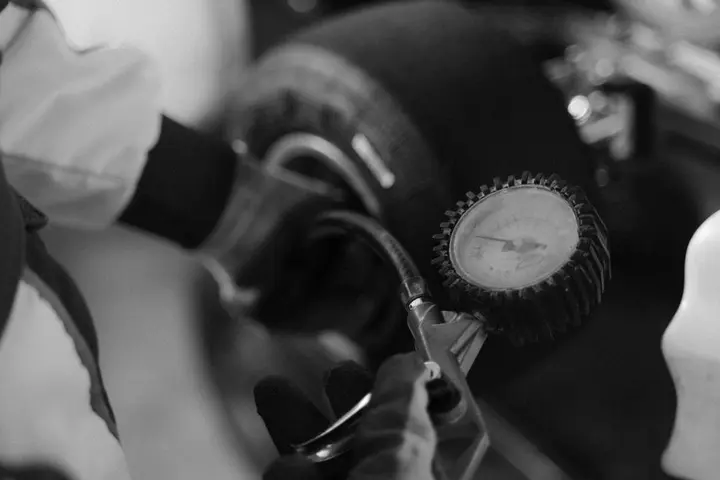
A pressure gauge gives a more reliable reading than squeezing the tire by hand. Check pressure when the tires are cool, because riding warms them and can affect the reading. Use a pump with a gauge that can measure the lower pressures commonly used with wide tires.
Begin with a conservative setting within the stated range and adjust in small steps after a short ride. If the bike feels harsh on bumps, a slight reduction may improve comfort, provided the tire remains supported and does not bottom out. Record settings that work for different routes so you can repeat them.
Balance Grip and Rolling Feel
Too much pressure can make a tire feel firm and reduce its ability to conform to loose or uneven ground. Too little can make steering vague and increase the chance of rim damage or a pinch flat. Aim for a stable, predictable feel rather than chasing the softest possible ride.
Test pressure on the surfaces you actually use, such as pavement, packed dirt, or loose gravel. Pay attention to cornering, braking, and whether the tire feels secure over bumps. Change one thing at a time, since changing pressure and riding technique together makes it harder to identify what improved.
Inspect the tires regularly for cuts, embedded debris, and uneven wear, and recheck pressure before longer rides. A slow leak can make the bike handle poorly before a tire looks fully flat. If pressure keeps dropping or the tire feels unstable, stop and inspect it rather than continuing at speed.
- Test on familiar surfaces.
- Adjust one setting at a time.
- Recheck before longer rides.
- Stop to inspect a soft or unstable tire.
Frequently asked questions
Are fat-tire e-bikes harder to pedal without assistance?
They can feel slower to pedal than a comparable bike with narrower tires, especially on smooth pavement, because the tires are wider and the bike may be heavier. The effect depends on tire design, pressure, gearing, and total bike weight. If you expect to ride with assistance switched off, test that mode on a route similar to your regular journeys.
Can I replace regular tires with fat tires?
Usually not as a simple tire swap. The frame, fork, wheels, rims, and brakes must all have suitable clearance and compatible dimensions, and a wider tire may not fit even if the wheel diameter matches. Check the bike maker’s approved tire sizes and consult a qualified shop before changing tire width or wheel components.
Do fat tires prevent punctures?
No tire width guarantees puncture protection. A fat tire may cushion impacts and can work well at an appropriate pressure, but sharp debris can still cut the tread or sidewall. Choose tires suited to your routes, inspect them for damage, and carry a repair option that matches the bike’s tubes or tubeless setup.
Are fat-tire e-bikes suitable for everyday commuting?
They can work well for commuting when your route includes rough pavement, gravel, or other surfaces where their wider contact area and cushioning are useful. On smooth roads, a regular-tire e-bike may feel lighter and more agile. Check storage space, tire availability, bike weight, and the distance you need to cover before choosing.
Choose Tires for the Routes You Ride
Fat tires can bring useful cushioning and traction on loose or uneven surfaces, but they also add bulk and may feel less nimble on smooth streets. Regular tires often suit paved commuting and easier handling, while the better choice depends on your routes, fit, upkeep, and the support available for replacement parts. Compare complete bikes and test ride when you can.
Before buying, write down the surfaces you ride most, how you will store and transport the bike, and which maintenance options are available nearby. Check frame fit, tire compatibility, total delivered cost, and pressure guidance for the specific model. Then ride both styles on familiar ground if possible; a short, careful test can reveal which one feels secure and practical.


