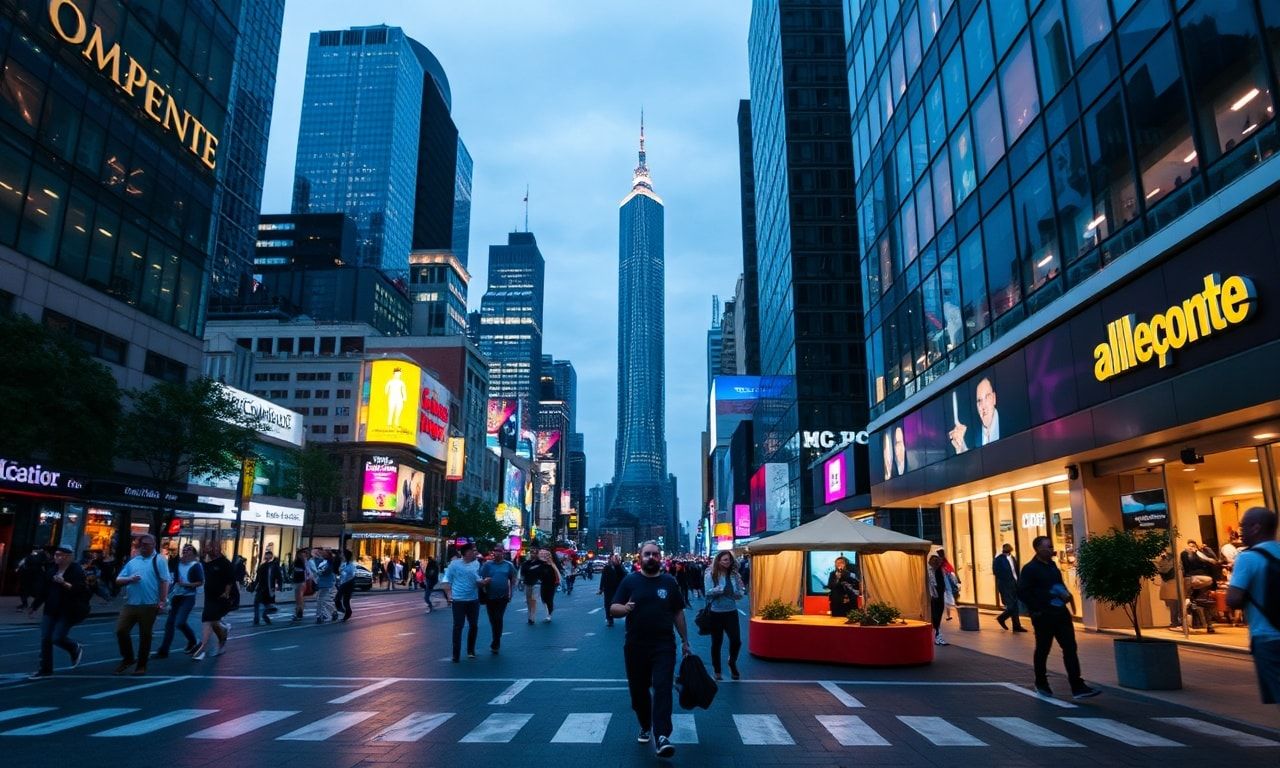
The Evolution of Entertainment in Urban Landscapes
The entertainment industry is constantly evolving, and urban development plays a significant role in shaping its future. Cities around the world are becoming hubs for movies, music, TV, celebrity events, and gaming, driving innovation and creating new experiences for residents and visitors alike. As cities grow and change, so do the ways in which we engage with entertainment, making urban landscapes dynamic and exciting places to be.
The Impact of City Council Decisions on Entertainment Venues
City council decisions can have a profound impact on the entertainment landscape. For instance, the recent city council vote results in several major cities have led to the development of new entertainment districts, the revitalization of old theaters, and the creation of public spaces that host a variety of events. These decisions not only enhance the cultural fabric of a city but also attract tourists and boost local economies. Understanding how these policies shape our entertainment options is crucial for both industry professionals and enthusiasts.
Movies and TV: The Urban Backdrop
Cities have long been the backdrop for some of the most iconic movies and TV shows. From the bustling streets of New York City to the historic alleys of London, urban settings provide a rich tapestry of stories and characters. The rise of streaming services has further amplified the demand for content set in urban environments. Producers and directors are increasingly drawn to cities for their authenticity and the unique stories they can tell. This trend is likely to continue as urban development projects create even more diverse and visually stunning backdrops for future productions.
The Role of Public Spaces in Entertainment
Public spaces such as parks, plazas, and waterfronts are becoming increasingly important in the entertainment industry. These areas serve as venues for outdoor concerts, film screenings, and festivals, bringing communities together and fostering a sense of shared experience. Cities are investing heavily in these spaces, recognizing their potential to enhance the quality of life and attract visitors. For example, the High Line in New York City has become a popular destination for both locals and tourists, hosting a variety of cultural events and performances.
Music and the Urban Sound
Music is another area where urban development is making a significant impact. Cities are home to a diverse range of musical genres and styles, reflecting their multicultural populations. The rise of music festivals and live performances in urban settings has created new opportunities for artists and fans alike. From intimate jazz clubs to large-scale outdoor concerts, cities offer a wealth of musical experiences. Additionally, the development of new venues and the revitalization of old ones are helping to sustain the vibrant music scenes that define many cities.
The Influence of Technology on Urban Entertainment
Technology is playing a crucial role in shaping the future of urban entertainment. The rise of virtual reality (VR) and augmented reality (AR) is transforming the way we experience movies, music, and gaming. Cities are increasingly becoming testbeds for these technologies, with developers and entrepreneurs experimenting with new ways to engage audiences. For example, VR arcades and AR-enhanced tours are becoming popular attractions in major cities, offering unique and immersive experiences. As technology continues to advance, we can expect even more innovative entertainment options to emerge in urban environments.
Gaming: The Urban Playground
Gaming is another area where urban development is having a significant impact. The rise of esports and competitive gaming has led to the creation of new venues and arenas in cities around the world. These spaces host major tournaments and events, attracting thousands of fans and generating substantial economic benefits. Additionally, the development of gaming hubs and co-working spaces is fostering a sense of community among gamers and developers. Cities are recognizing the potential of gaming as a driver of tourism and economic growth, investing in infrastructure and support for the industry.
The Future of Urban Entertainment
The future of urban entertainment looks bright, with cities continuing to innovate and adapt to the changing needs of their residents and visitors. As urban development projects transform cityscapes, new opportunities for entertainment will emerge. From the revitalization of historic theaters to the creation of cutting-edge entertainment districts, cities are at the forefront of the entertainment industry. By understanding the impact of urban development on entertainment, we can better appreciate the dynamic and ever-evolving nature of our cities and the experiences they offer.