The Evolution of Entertainment
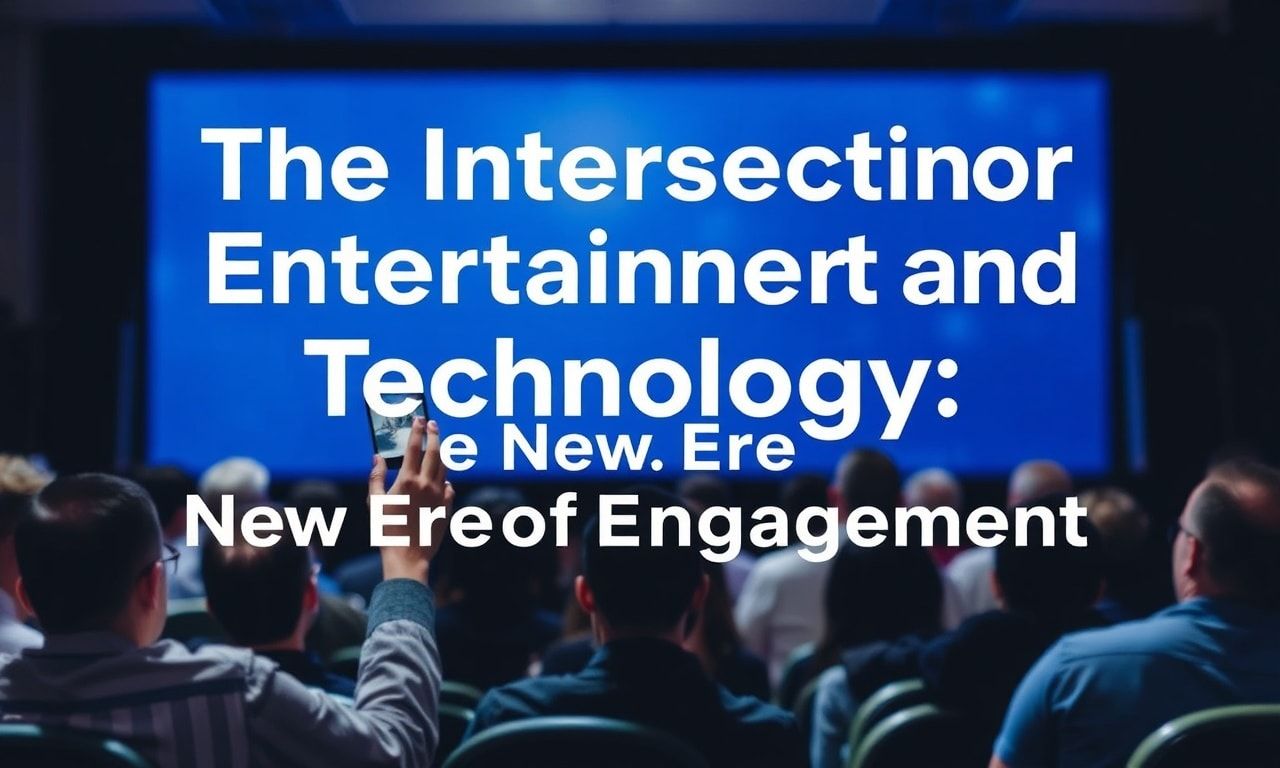
The entertainment industry has always been at the forefront of technological innovation. From the invention of the phonograph to the advent of streaming services, technology has continually reshaped how we consume and interact with entertainment. Today, the convergence of entertainment and technology is more pronounced than ever, creating new opportunities for engagement and immersion.
The Rise of Interactive Content
One of the most significant developments in recent years is the rise of interactive content. Platforms like Netflix and HBO have introduced interactive movies and TV shows, allowing viewers to make choices that influence the storyline. This shift towards interactivity is not only changing the way we watch but also how we engage with content. It’s a trend that’s likely to continue, with more platforms exploring ways to integrate user choices into their offerings.
For instance, the popular movie “Bandersnatch” on Netflix allowed viewers to make decisions that affected the plot, creating a unique experience for each viewer. This level of engagement is something that traditional media couldn’t offer, and it’s a testament to how technology is revolutionizing the entertainment landscape.
The Impact on Gaming
The gaming industry has also seen a significant impact from this trend. Games like “The Last of Us Part II” and “Detroit: Become Human” offer branching narratives that change based on the player’s choices. This level of interactivity has made gaming more immersive and engaging, attracting a wider audience. The lines between movies, TV shows, and games are blurring, creating a new form of entertainment that combines the best of all worlds.
Moreover, the rise of virtual reality (VR) and augmented reality (AR) is further enhancing the gaming experience. VR headsets like the Oculus Rift and PlayStation VR allow players to step into the game world, creating a sense of presence that traditional gaming can’t match. This technology is not only changing how we play but also how we interact with each other in virtual spaces.
The Role of Social Media
Social media has played a crucial role in shaping the entertainment landscape. Platforms like Twitter, Instagram, and TikTok have given fans a direct line to their favorite celebrities and creators. This direct interaction has democratized the entertainment industry, allowing anyone with a smartphone and an internet connection to become a content creator.
For example, TikTok has become a breeding ground for new talent, with many creators gaining overnight fame. The platform’s algorithm favors creativity and authenticity, making it an ideal space for emerging artists to showcase their skills. This democratization of content creation is leveling the playing field, giving everyone a chance to make their mark in the entertainment industry.
Additionally, social media has changed how we consume entertainment. Instead of waiting for a TV show or movie to air, we can now watch it on demand. This shift has given viewers more control over their entertainment choices, allowing them to watch what they want, when they want. It’s a trend that’s likely to continue, with more platforms offering on-demand content.
The Importance of Online Courses
In this rapidly evolving landscape, staying informed and skilled is crucial. Whether you’re an aspiring content creator, a tech enthusiast, or simply someone looking to broaden your horizons, knowing how to choose the right online course can make all the difference. Online courses offer a flexible and accessible way to learn new skills, from coding and game design to digital marketing and content creation. By investing in your education, you can stay ahead of the curve and make the most of the opportunities that technology brings.
The Future of Entertainment
The future of entertainment is bright and full of possibilities. As technology continues to advance, we can expect even more innovative ways to engage with content. From AI-driven personalization to holographic concerts, the possibilities are endless. The key to success in this new era will be adaptability and a willingness to embrace change.
For instance, AI is already being used to personalize content recommendations on platforms like Netflix and Spotify. By analyzing user data, these platforms can suggest content that aligns with individual preferences, creating a more personalized entertainment experience. This level of customization is something that traditional media couldn’t offer, and it’s a trend that’s likely to continue.
Similarly, the rise of holographic concerts is changing the live entertainment landscape. Artists like Hatsune Miku have already performed holographic concerts, attracting millions of fans worldwide. This technology is not only enhancing the live experience but also making it more accessible to a global audience.
Conclusion
The intersection of entertainment and technology is creating a new era of engagement. From interactive content and VR gaming to social media and AI-driven personalization, the possibilities are endless. By staying informed and embracing change, we can make the most of these opportunities and shape the future of entertainment.
If you’re passionate about entertainment and want to turn that passion into success, you’ll find valuable insights in how to thrive in entertainment.
Whether you’re a speed demon or just cruising through life, keeping your ride in peak condition is key—check out essential car care tips to ensure your vehicle is always ready for adventure.
If you’re a fan of the adrenaline rush from games and movies, you’ll love discovering how sports are leveling up with tech—check out sports’ futuristic twists.