The Power of Storytelling in Education
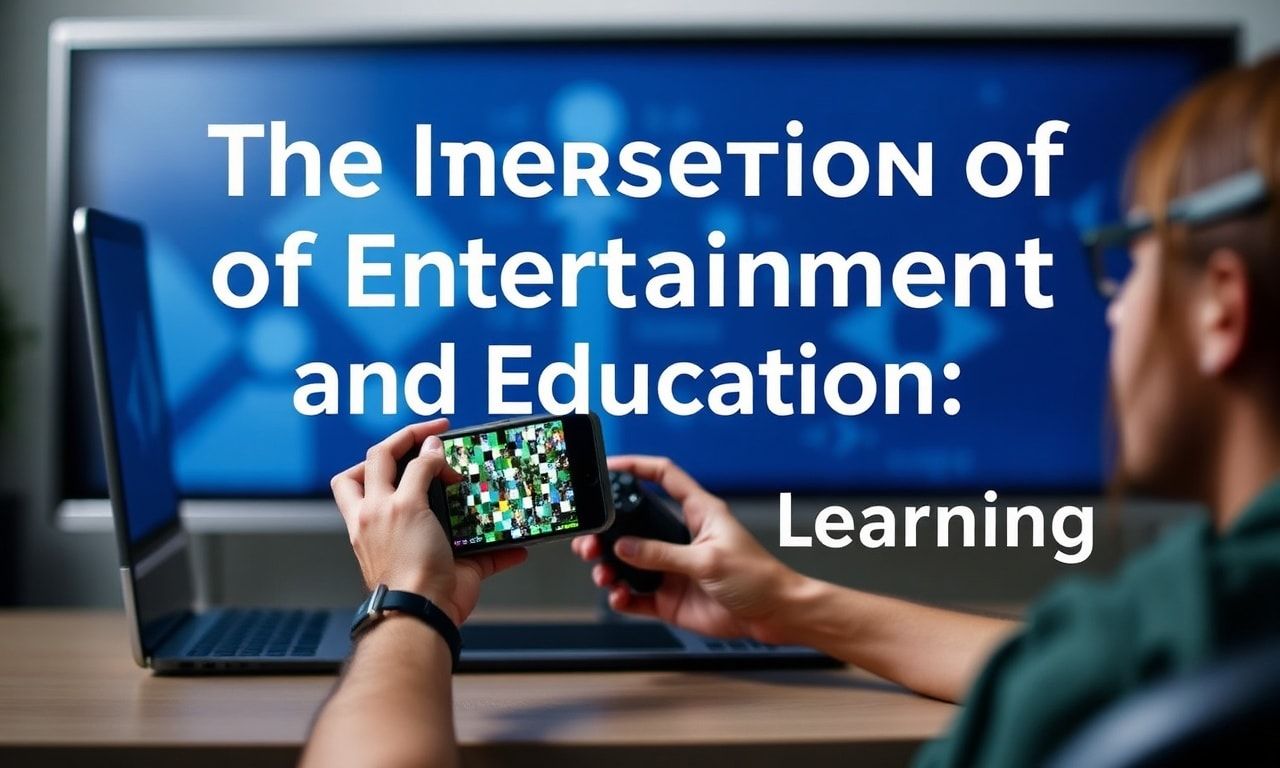
Entertainment and education have always been intertwined, with storytelling serving as a powerful tool for teaching and learning. From ancient myths to modern films, stories have been used to convey moral lessons, historical events, and cultural values. In today's digital age, this intersection has become even more pronounced, with movies, TV shows, and even video games playing a significant role in shaping how we understand the world around us.
Movies: A Window into Different Worlds
Movies have the unique ability to transport viewers to different times, places, and perspectives. Historical dramas, for instance, can bring the past to life, making it more engaging and accessible for students. Films like "Schindler's List" and "12 Years a Slave" provide a visceral understanding of historical events that textbooks alone cannot match. Moreover, movies can spark discussions about social issues, ethics, and personal values, making them a valuable resource for educators.
Incorporating films into the curriculum can also help students develop critical thinking skills. Analyzing a movie's themes, characters, and narrative techniques encourages viewers to engage with the content on a deeper level. This approach can be particularly effective in subjects like literature, history, and social studies, where understanding different perspectives is crucial. Additionally, films can be a great way to introduce complex topics in a more approachable manner, making them an invaluable tool in the classroom.
The Role of School News Education
While movies and TV shows play a significant role in shaping our understanding of the world, it's essential to complement this with reliable sources of information. Websites like school news education provide up-to-date, accurate news tailored to students, helping them stay informed about current events. This combination of entertainment and education ensures that students not only enjoy their learning experience but also gain a well-rounded understanding of the world.
Music: The Universal Language
Music is another form of entertainment that has a profound impact on education. It can be used to teach language, history, and even mathematics. For example, learning songs in a foreign language can improve pronunciation and vocabulary retention. Historical songs and musicals, like "Hamilton," can make history more engaging and memorable. Meanwhile, the rhythms and patterns in music can help students understand mathematical concepts like fractions and ratios.
Moreover, music can foster creativity and emotional intelligence. Encouraging students to create their own music or analyze song lyrics can help them express their feelings and develop empathy. This holistic approach to learning can lead to better academic performance and personal growth. Schools that integrate music into their curriculum often see improved student engagement and a more positive learning environment.
TV Shows: A Mirror of Society
TV shows, like movies, can reflect and shape societal norms and values. They can provide insights into different cultures, lifestyles, and historical periods. Shows like "The Crown" and "Mad Men" offer a glimpse into different eras, helping viewers understand the social and political contexts of the time. Similarly, shows like "Black Mirror" and "The Handmaid's Tale" can spark discussions about technology, ethics, and gender issues.
Incorporating TV shows into the curriculum can make learning more interactive and relatable. For instance, a history class could use episodes of "The Crown" to discuss post-war Britain, while a sociology class could analyze "Black Mirror" to explore the impact of technology on society. This approach not only makes the subject matter more engaging but also helps students see the relevance of what they're learning to their everyday lives.
Video Games: Interactive Learning
Video games are often seen as purely entertainment, but they can also be powerful educational tools. Games like "Minecraft: Education Edition" and "Civilization" can teach students about history, geography, and even coding. These games encourage problem-solving, critical thinking, and creativity, making them valuable resources for educators.
Moreover, video games can be used to teach complex subjects in a more engaging and interactive way. For example, games like "Kerbal Space Program" can teach physics and engineering principles, while games like "Assassin's Creed: Discovery Tour" can provide a virtual tour of historical sites. This interactive approach to learning can make complex topics more accessible and enjoyable for students.
In conclusion, the intersection of entertainment and education offers numerous benefits for students. By incorporating movies, music, TV shows, and video games into the curriculum, educators can make learning more engaging, interactive, and relevant. This approach not only enhances student engagement but also fosters a deeper understanding of the world around us. As technology continues to evolve, the possibilities for integrating entertainment into education will only grow, paving the way for a more dynamic and effective learning experience.