

7 min read · Updated: 2026-10-12
When you’re building interest for a ride-out, test day, or new model reveal, publishing an event in France should be clear, compliant, and timely. This guide translates general event publishing into practical steps tailored for automotive readers. You’ll see what to prepare, where to post, and how to avoid common missteps so your event attracts the right crowd.
From legality to logistics, the process hinges on accurate details, appropriate venues, and consistent updates. You’ll learn to choose platforms that match your audience, optimize for French audiences, and track responses without overwhelm. The aim is a smooth, legible workflow that keeps your event credible and fully compliant with local rules.
Finally, you’ll get a concrete plan you can reuse for future events, with checklists and example copy that fits automotive timing and tone. The focus stays on practical execution: what to publish, when to publish, and how to measure interest without surprises. This approach helps you grow attendance while maintaining professional standards.
- Publish in French‑friendly channels suitable for automotive readers.
- Provide precise timing, locations, and RSVP details to prevent confusion.
- Use a consistent, clear voice and practical checklists for reliability.
- Track engagement and adjust future postings based on feedback and outcomes.
Basics to align before publishing
Legal basics for events
Before publishing, confirm venue permits, insurance requirements, and any permits needed for public gatherings. Clear, accurate event details prevent last‑minute changes that frustrate attendees. Align with local rules to avoid fines or cancellations. publier un événement en France adds a practical channel for French readers to find your automotive events.
- Identify required permits for the venue
- Check insurance coverage for attendees
- Verify timing and access restrictions
- Gather organizer contact details
- Prepare a simple wind‑down plan
Choosing the right platform
Publish where automotive readers are most likely to discover events, such as dedicated calendars or community pages. Consider language preferences and accessibility, ensuring buttons and links work for French users. This reduces confusion and boosts RSVP rates.
Timing and audience fit
Timing your announcement
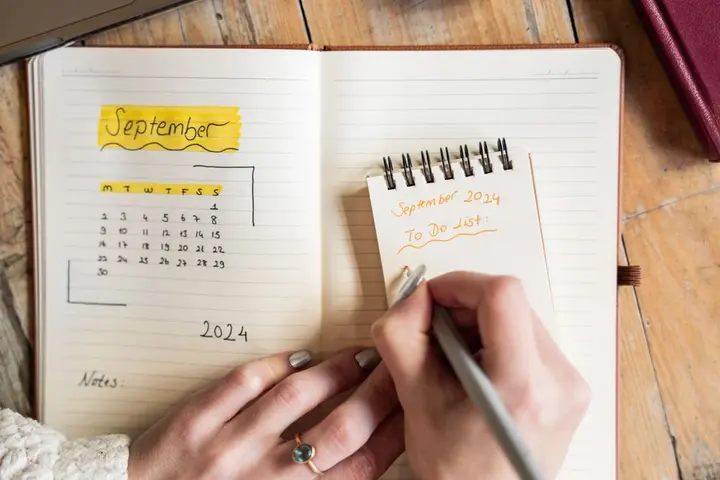
Publish announcements early enough to catch planning stages, then refresh with reminders as the event date approaches. For many readers, late notices miss the peak interest window. A steady cadence helps maintain visibility without spamming attendees. dernières actualités France should be monitored to time your updates with national interest when relevant.
- Initial save‑the‑date: 4–6 weeks out
- Reminder: 2 weeks before and 3–4 days before
- Final confirmation on event day with a quick update
Audience considerations
Tailor messages to enthusiasts who care about reliability, safety, and hands‑on opportunities. Provide practical details like test drive availability, parking, and accessibility. Clear language reduces back‑and‑forth questions and speeds RSVP
This section emphasizes practical examples and language choices without filler.
- Use precise parking instructions
- Explain test drive eligibility
- Offer an FAQ section on common concerns
Content that travels well
Copy that converts
Keep event descriptions concise and benefit‑focused. Automotive readers respond to clear schedules, opportunities to experience vehicles, and safety notes. Use active voice and concrete times to help readers picture the day. inscription annuaire en France helps organizers list their events in local directories for broader reach.
- Overloading with jargon
- Missing essential details
- Using vague times or locations
Examples show how to phrase benefits without hype or fluff.
- Lead with what attendees will do (see, test, learn)
- Include map and timing details
- Offer a simple RSVP path
| Platform | Audience fit | Notes |
|---|---|---|
| Calendar pages | Good for enthusiasts | Ensure calendar category aligns with cars and events |
| Community boards | Local reach | Use French language and local terms |
| Company site events | Direct control | Keep it simple and mobile friendly |
Visuals that support the message
Images should show the event environment, vehicles, and people in action. Use photos that convey movement, safety gear, and the setting. Good visuals reduce questions and improve engagement.
Examples illustrate how to pair visuals with each section of copy.
For example, a short social caption can tease what attendees will see, while a longer post on your site explains the event's value for enthusiasts and technicians alike.
Multichannel distribution
Strategies for cross‑platform posting
Publish your event across several channels to maximize reach among automotive readers. Start with your own site and newsletter, then post to relevant forums and social groups. Coordinate a consistent message so the audience recognizes the event anywhere they encounter it. objets à vendre en France can appear in targeted roundups when your event features used vehicles or trade-ins.
Tailor the copy for each channel without changing the core details. For example, a short social caption can tease what attendees will see, while a longer post on your site explains the event's value for enthusiasts and technicians alike.
Consider a publication calendar that aligns with the automotive cycle, like race weekends or new model launches. Timing helps you reach readers who are actively planning their weekend drive or project.
- Use event hashtags where appropriate
- Include a clear RSVP or registration link
- Provide practical details (time, location, access)
- Offer incentives for early sign-ups
- Monitor engagement and adjust messaging
Local rules and safety
Compliance checks for local events
Local authorities may require permits for public gatherings or temporary road closures. Start by identifying the town hall or prefecture responsible for your area and asking about required documents. Missing permits can derail an otherwise well‑planned event. déposer un avis d’obsèques en France is a necessary phrase for formal notices and should be placed where organizers discuss compliance and documentation.
- Determine the responsible authority
- Submit required documents early
- Confirm safety plan with venue
- Keep copies of approvals and contact info
Safety planning is essential for automotive events that attract crowds or demonstrations. Designate first‑aid points, provide clear wayfinding, and communicate emergency procedures. Ensure signage and barriers meet local standards.
In many regions, accessibility and noise limits influence event timing and layout. Check for curfews, permitted hours, and noise thresholds. A simple map with routes and exits helps participants move safely.
- Check permit deadlines
- Prepare a safety risk assessment
- Plan crowd management
- Coordinate with organizers and sponsors
- Document approvals for proof of compliance
Metrics that matter
What to measure for event impact
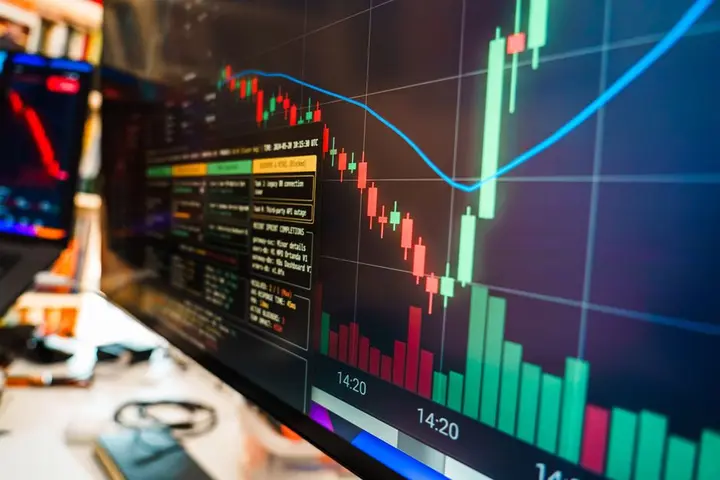
Track attendance against expectations to gauge interest and planning accuracy. Collect source data to understand how readers found out about the event, whether through email, social posts, or partners. Use this to refine future announcements.
Monitor engagement metrics like clicks, saves, and RSVP confirmations. High engagement indicates messaging resonance and helps you optimize headlines and visuals for the next event.
After the event, compare logistics performance with your plan to identify where processes slowed or excelled. This review supports better time management, budgeting, and vendor coordination for future launches.
- Attendance vs target
- Source of registrations
- Engagement rate per channel
- Post‑event satisfaction indicators
- Operational learnings
Post‑event follow‑up
Extend value after the event
Send a concise recap to attendees with a photo gallery or video highlights. Include practical links such as notes, slides, or supplier details that add lasting value. A well‑crafted recap turns a one‑day event into ongoing interest.
Reach out to non‑attendees with a brief, useful summary and an invitation to future events. This keeps your editorial calendar flexible and grows long‑term readership among enthusiasts and professionals.
Solicit feedback to improve future events. A short survey about logistics, content quality, and accessibility helps you fine‑tune your approach and demonstrates that reader input matters.
- Share recap within 24–48 hours
- Provide tangible resources
- Invite to next event
- Ask for feedback and suggest improvements
Frequently asked questions
Who can publish an event?
Anyone organizing a public automotive event can publish details, provided they include the essential information: date, time, place, registration or contact, and a short description of what attendees can expect. Editorial oversight ensures accuracy and consistent tone across the site.
What information is essential?
A clear title, full address, date and time, cost if any, and a short agenda or highlight. Include parking guidance, accessibility notes, and a contact email for questions. Images should be relevant and high‑quality to attract interest.
How far in advance should I publish?
Publish at least two weeks before the event when possible, with reminders a few days before and on the day of. Schedule follow‑ups after the event with a recap and photos to extend reach and value for readers.
Where can I get additional help?
Reach out to the editorial team through the contact page or events coordinator email. We can provide guidance on framing, audience fit, and how to optimize your listing for automotive readers.
Conclusion
Takeaways and next steps: Automotive event announcements in France demand a practical, channel-aware approach. By coordinating messages, respecting local rules, and tracking what resonates, you build reliable reader trust and stronger event outcomes.
Next steps: Use a simple, repeatable workflow with templates and timelines for every event. Align your team around a shared calendar, review feedback, and refine your process to improve future announcements.


